
By Muhammad Luqman
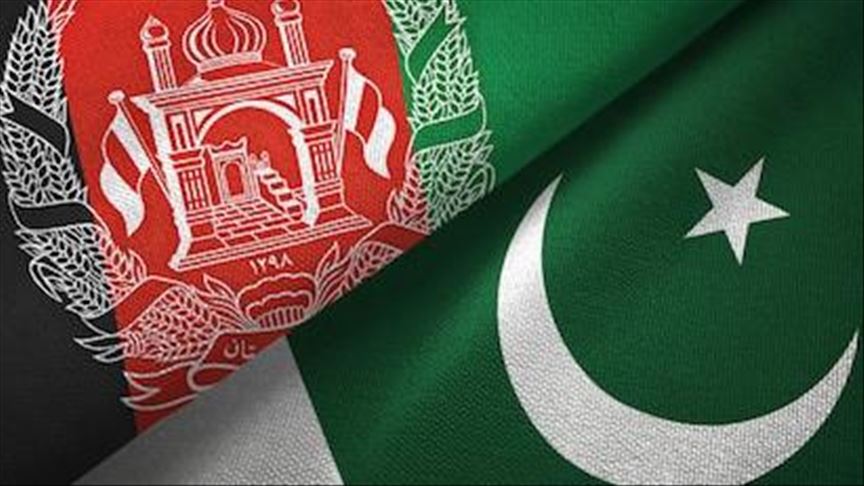
Pakistan and Afghanistan have agreed to a 48-hour “temporary ceasefire”, Islamabad announced on Wednesday, following a new round of deadly clashes along their shared border.
The fighting, which erupted earlier this week, has shattered a fragile calm and marked the worst confrontation between the two countries since the Taliban seized power in Kabul in 2021.
According to Pakistan’s Foreign Ministry, the ceasefire began at 6:00 p.m. (1300 GMT) on Wednesday. The ministry said that “both sides will make sincere efforts, through constructive dialogue, to find a positive solution to this complex yet resolvable issue,” adding that the truce was reached at the request of the Afghan Taliban government.
However, Afghan Taliban spokesperson Zabihullah Mujahid claimed the agreement came “at the request and insistence of the Pakistani side.” He said Kabul had directed its forces to observe the ceasefire, “provided the other side does not commit aggression.”
The announcement came hours after Pakistan reportedly carried out an airstrike in Afghanistan’s Kandahar province, according to officials from both countries. The violence left more than a dozen civilians and troops dead and followed weekend clashes that killed dozens on both sides.
Afghan officials said more than a dozen civilians were killed and around 100 wounded when Pakistani forces launched attacks early Wednesday in the Spin Boldak district of Kandahar. Pakistan, meanwhile, reported four civilians wounded in “Taliban forces’ attacks” across the border in Chaman, the Pakistani town opposite Spin Boldak.
In a separate incident in Pakistan’s border district of Orakzai, six paramilitary soldiers were killed and six others wounded during fighting with militants, British media reported. Nine militants were also killed in the operation, which began after a militant attack last week that left 11 Pakistani soldiers dead.
The latest escalation comes amid growing tension between the two former allies. Islamabad has repeatedly demanded that the Taliban administration take action against militants it says are operating from safe havens inside Afghanistan and carrying out attacks in Pakistan.
In the aftermath of the clashes, both countries closed several border crossings, halting trade and leaving scores of trucks stranded. Pakistan remains the main source of goods and food supplies for landlocked and economically struggling Afghanistan.
The weekend’s violence and renewed clashes have drawn international concern. China urged both sides to protect its citizens and investments, Russia called for restraint, and former U.S. President Donald Trump said he was willing to help mediate an end to the conflict.